
Sector
Precision environmental management for sectors with high-impact operations
Carbon, water, waste, and supply chain in an enterprise platform. Organized for customer audits and external review.

Managed climate impact
kg CO₂e
−12% year on year
All scopes in one dashboard












The chemicals and materials sector operates under some of the strictest environmental regulations in the world. Precise calculations, waste traceability, and preparation for SQAS assessments are part of everyday operations.
Sector challenges
1. Specific and complex emission factors
Chemical, metallurgical, and plastics transformation processes have unique process emissions not found in standard catalogs. The platform must support them.
2. SQAS and client audits
Large chemical and pharmaceutical companies ask their logistics and materials suppliers for an SQAS assessment and verified footprint data. Without them, qualifying as a supplier is harder.
3. Hazardous waste management and traceability
Specific LER waste codes, authorized handlers, transfer documentation... Manual management increases the risk of penalties and makes CSRD reporting much harder.
How Manglai helps
Calculations with specific emission factors
Support for chemical, industrial, and metallurgical processes with custom emission factors. Biogenic, process, and residual emissions considered from the outset.
SQAS preparation without scattered documentation
Organize the environmental evidence for your SQAS assessment on the platform. Centralized documents, approval workflows, and traceability for the assessor.
End-to-end LER waste traceability
From generation to final handler. Classification by LER code, transfer documentation, and up-to-date records to support obligations under Law 7/2022 and CSRD E5 reporting.
Enterprise reporting ready for review
Reports with full traceability of data, calculations, and evidence, structured around the GHG Protocol, ISO 14064, CSRD, and ESG investor requests.
Featured products
- Corporate Carbon Footprint (GHG Protocol / ISO 14064)
- Waste Management (LER / CSRD ESRS E5)
- Service Footprint (GLEC / SQAS)
- Water Footprint
- CSRD Reporting
- Supplier Engagement
Relevant regulations and standards
GHG Protocol · ISO 14064 · SQAS (sector assessment) · CSRD (ESRS E1, E2, E5) · EU ETS · Royal Decree 214/2025 (MITECO) · Law 7/2022 on Waste · Regulation (EU) 2024/1157 (waste shipments) · EU Taxonomy
The precision your sector demands, without the complexity it generates
Talk to our team and discover how chemical and materials companies already manage their impact with Manglai.
Key Features
Connect process and material impacts
Bring production, material purchases, energy, water, waste and supplier information together so environmental teams can see plant results alongside product and value-chain impacts.
Separate plants, processes and teams
Organize chemical, metals and plastics operations by facility, production line, legal entity and region, giving plant owners and corporate reviewers appropriate access to records.



Café de Finca
70 employees
ES
Complex Hierarchies
Unlimited Users
Collect plant and waste evidence
Bring process inputs, utility bills, water data, material purchases and waste transfer records together, then keep source files with the activity they support.










Integrations
Bulk Import
Task Management
Follow process factors and waste
Inspect the factors applied to process, combustion and purchased-material data, with calculation histories and checks that help teams explain emissions and waste indicators.
Updated Factors
Calculation traceability
Quality control
Prepare evidence for customer reviews
Create traceable views of plant emissions, product impacts and waste streams for sustainability leads, customer questionnaires and internal reviews of SQAS evidence.
Traceable reports
Review complex inputs with experts
Work with Manglai specialists on process boundaries, factor choices and evidence quality while operations, procurement and environmental teams resolve source gaps.
Expert guidance
Limit access by facility
Set permissions around plants, business units and teams, keeping process, supplier and waste records available to the people responsible for maintaining and reviewing them.
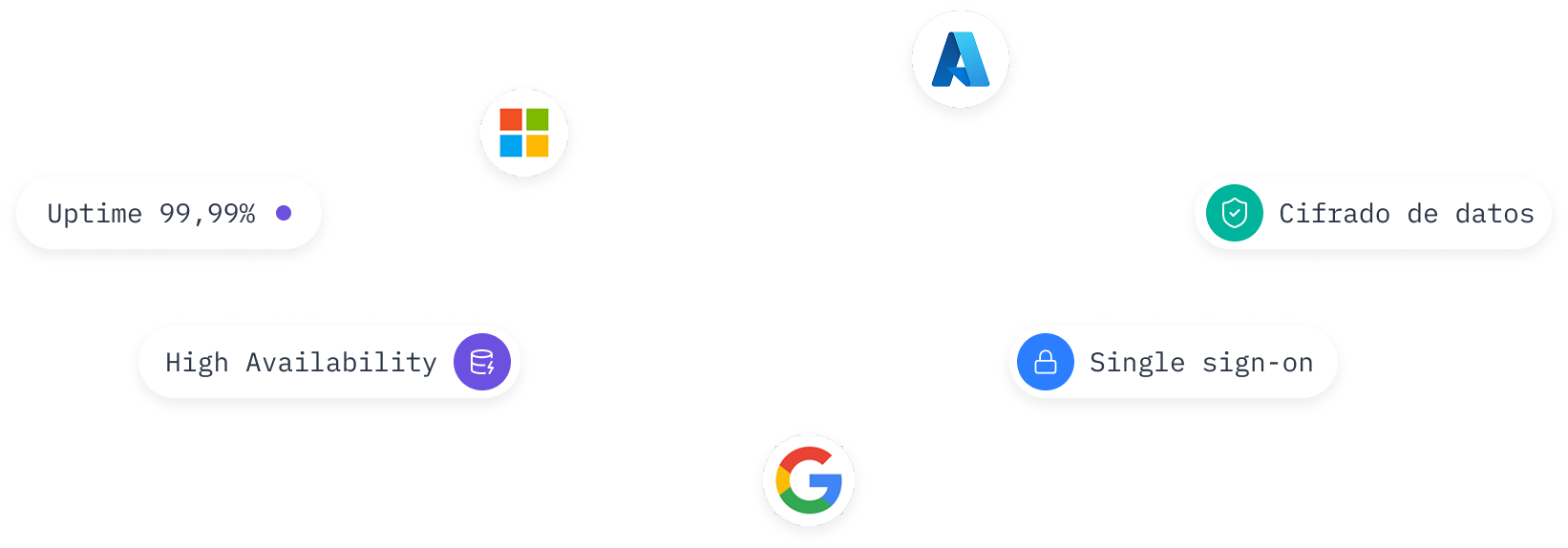
Data encryption
GDPR Compliance
International standards
Our clients
Success Stories with Manglai
Discover how companies in various sectors are already operating their environmental management with Manglai
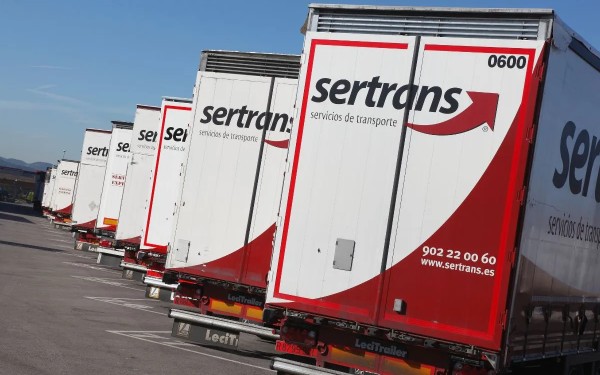

We backed their vision, and all we can say is that we'll keep working with them. Week after week, they bring us small improvements that make their product stronger from a user's perspective.
Carla Argiles
Quality and Environmental Technician - Sertrans

We're very happy with the platform and the service provided by the Manglai team. Thank you very much!
Vesselin Petrov
ESG Coordinator - Bluespace
Regulatory compliance
Map materials and process boundaries
Set the inventory perimeter by plant, process and product family, then identify material inputs, energy use, water flows, waste routes and supplier records to collect.
Separate process from purchased-energy emissions
Link waste codes to movement evidence
Document factor choices for each activity