
Sector
Manage the environmental impact of your energy assets with rigor and at scale
Carbon, water, and value chain in an enterprise platform. For energy companies that need more than a calculator.
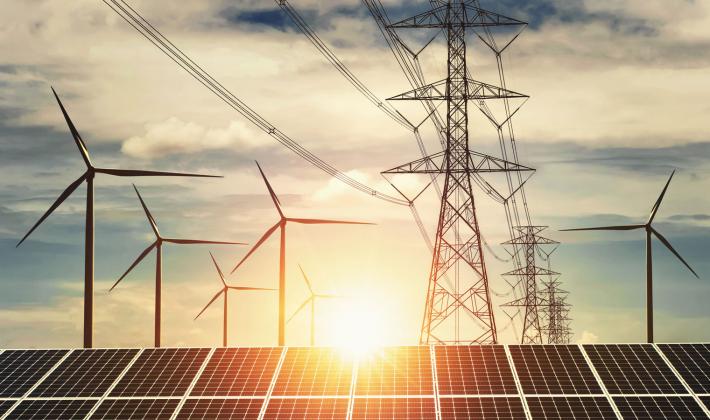
Managed climate impact
kg CO₂e
−12% year on year
All scopes in one dashboard














The energy sector is at the center of the climate transition. Energy companies, both conventional and renewable, operate under close scrutiny from regulators, investors, and society.
Sector challenges
1. Distributed assets with very different emission profiles
Wind farms, solar plants, refineries, distribution networks... Consolidating data from such heterogeneous assets into coherent reporting requires solid data architecture.
2. EU ETS and emissions reporting obligations
The European carbon market (EU ETS) requires precise and verified emissions calculations. Errors in reporting have direct financial consequences.
3. ESG investor pressure and the European Taxonomy
Energy infrastructure funds require demonstrating alignment with the EU taxonomy and complete CSRD reports. Without structured data, financing becomes more expensive.
How Manglai helps
Multi-asset and multi-entity management
Consolidate the impact of your entire energy asset portfolio. Breakdown by plant, technology, geography, or business unit. Group or granular view, in real time.
Precision for the EU ETS and sector regulation
Calculations with documented, regularly updated emission factors. Full traceability of each data point for external verification. Records organized for review by verifiers and authorities.
Reporting for the European Taxonomy and CSRD
Document the alignment of your activities with the substantial contribution criteria of the taxonomy. Prepare the environmental data and draft inputs for your CSRD report with workflows integrated into the platform.
Reduction and tracking of decarbonization plans
Design reduction plans by asset or business unit. Simulate scenarios and track actual vs. projected progress, with economic savings projections.
Featured products
- Corporate Carbon Footprint (GHG Protocol / ISO 14064)
- Reduction, Optimization and Offsetting
- CSRD Reporting
- Water Footprint
- Supplier Engagement
Relevant regulations and standards
GHG Protocol · ISO 14064 · EU ETS · CSRD (ESRS E1, E2) · EU Taxonomy · Royal Decree 214/2025 (MITECO) · SBTi (voluntary initiative) · Bilan GES (France) · GRI 302 / GRI 305
The environmental platform equal to the complexity of the energy sector
Request a demo and discover how energy companies already manage their impact and reporting with Manglai.
Key Features
Portfolio view across energy operations
Bring generation, fuel, water and supplier activity into one workspace, then compare impact across renewable sites, conventional plants, networks and business units.
Group plants by asset and unit
Structure wind farms, solar parks, refineries and distribution operations by entity, region or business unit, with permissions that let local owners maintain their records.
Cáfe de Finca
70 employees
ES

Complex Hierarchies
Unlimited Users
Bring operating records together
Upload generation, purchased electricity, fuel use, water readings and supplier records, so site teams can review the activity behind each inventory entry.









Integrations
Bulk Import
Task Management
Trace factors from plant activity
Review how site energy, combustion, water and supplier inputs map to location- and activity-specific factors, with calculation history and quality checks available for verification.
Updated Factors
Calculation traceability
Quality control
Report by asset or portfolio
Prepare consistent carbon, water and value-chain views for plant managers, sustainability leads and finance teams, then follow reduction progress across the portfolio.
Traceable reports
Work with energy specialists
Use Manglai’s expert team during setup, methodology reviews and audit preparation as plant owners, central sustainability staff and finance teams resolve data questions.
Expert guidance
Protect sensitive asset records
Give teams access by facility, business unit or country, with secure sessions and single sign-on around generation, consumption and supplier information.
Data encryption
GDPR Compliance
International standards
Our clients
Success Stories with Manglai
Discover how companies in various sectors are already operating their environmental management with Manglai
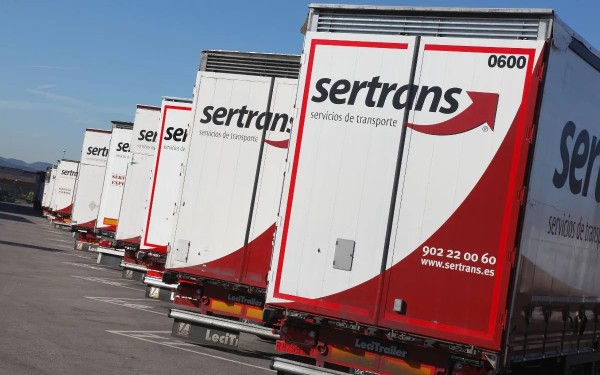

We backed their vision, and all we can say is that we'll keep working with them. Week after week, they bring us small improvements that make their product stronger from a user's perspective.
Carla Argiles
Quality and Environmental Technician - Sertrans

We're very happy with the platform and the service provided by the Manglai team. Thank you very much!
Vesselin Petrov
ESG Coordinator - Bluespace





Regulatory compliance
Set boundaries for each asset
Define which plants, technologies, operating periods and environmental flows belong in the inventory before linking meters, fuel records, water data and supplier inputs.
Separate asset and entity reporting boundaries
Match generation, power and fuel records
Document factor sources and calculation assumptions