
Sector
Precision environmental management for healthcare and pharma companies
Carbon footprint, water footprint, waste, and supply chain in an enterprise platform. Traceable, organized for review, and built for the demands of the healthcare sector.

Managed climate impact
kg CO₂e
−12% year on year
All scopes in one dashboard














According to Health Care Without Harm, the health sector accounts for around 4.4% of global net emissions. Regulatory pressure, the requirements of large hospital groups, and ESG investor demands make environmental management a strategic priority.
Sector challenges
1. Healthcare and hazardous waste: management and compliance
Healthcare waste is highly regulated. Traceability from generation to the final handler is a legal obligation and an operational risk if not managed well.
2. Complex and global supply chain
Scope 3 of a pharmaceutical company or medical device manufacturer includes raw materials, active ingredients, packaging, and global distribution. Measuring it requires specific tools.
3. Growing demands from hospitals and public buyers
Large hospital groups and public administrations are incorporating sustainability criteria into their tenders. Suppliers without data are at a disadvantage.
How Manglai helps
Healthcare waste traced end-to-end
Classification by LER code, documentation of handlers and transfers, generation of reports for authorities. Less reliance on spreadsheets and clearer evidence for compliance reviews.
Product Footprint for devices and drugs
LCA of pharmaceutical products and medical devices. Breakdown by raw material, manufacturing process, and distribution. Data structured to help you prepare for Digital Product Passport requirements.
Supplier management at global scale
Automated surveys to ingredient, packaging, and logistics suppliers. Assessment of their environmental performance and AI-generated improvement plans.
Enterprise reporting for CSRD and investors
Auditable reports with full traceability. Workflows for CSRD, ISO 14064, and ESG reports for private equity and pharmaceutical funds.
Featured products
- Corporate Carbon Footprint (GHG Protocol / ISO 14064)
- Product Carbon Footprint - LCA (ISO 14067)
- Waste Management (LER / CSRD ESRS E5)
- Supplier Engagement & Stakeholders Management
- CSRD Reporting
- Water Footprint
Relevant regulations and standards
GHG Protocol · ISO 14064 · ISO 14067 · CSRD (ESRS E1, E5) · CSDDD · Royal Decree 214/2025 (MITECO) · Law 7/2022 on Waste · Digital Product Passport · EU Taxonomy · GRI 306
Built around healthcare sector standards from day one
Talk to our team and discover how pharmaceutical and healthcare companies already manage their impact with Manglai.
Key Features
Connect manufacturing and product footprints
Bring facility energy, water, materials, product and waste data into one workspace so environmental and quality teams can follow operational and value-chain impacts.
Group plants and product teams
Structure laboratories, manufacturing sites, legal entities and business units so local EHS owners, quality teams and corporate sustainability staff can manage their responsibilities.



Café de Finca
70 employees
ES
Complex Hierarchies
Unlimited Users
Collect manufacturing and supply records
Bring process energy, active ingredients, packaging purchases, distribution information and waste records together, with source documents available for review.











Integrations
Bulk Import
Task Management
Trace ingredients through product results
Review how ingredients, packaging, production energy and distribution data contribute to product or corporate impact figures, with factors and calculation history visible.
Updated Factors
Calculation traceability
Quality control
Prepare views for healthcare buyers
Share traceable data with hospital procurement teams, healthcare groups and investors, while keeping the evidence behind facility, product and supplier figures available for review.
Traceable reports
Coordinate specialists across the supply chain
Manglai experts can help environmental, procurement and quality teams refine boundaries and prepare evidence while suppliers and manufacturing sites provide their records.
Expert guidance
Keep sensitive product data controlled
Set access by site, business unit and role, with secure sessions and single sign-on for manufacturing, ingredient and supplier information.
Data encryption
GDPR Compliance
International standards
Our clients
Success Stories with Manglai
Discover how companies in various sectors are already operating their environmental management with Manglai
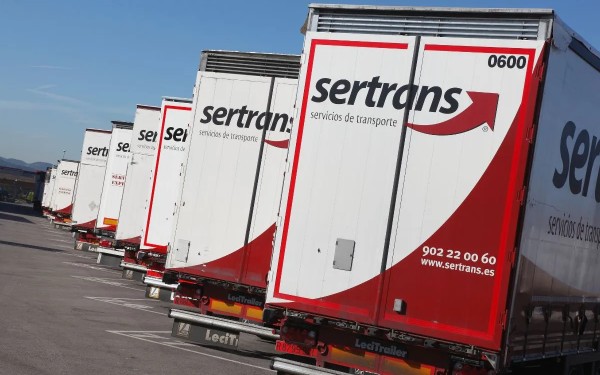

We backed their vision, and all we can say is that we'll keep working with them. Week after week, they bring us small improvements that make their product stronger from a user's perspective.
Carla Argiles
Quality and Environmental Technician - Sertrans

We're very happy with the platform and the service provided by the Manglai team. Thank you very much!
Vesselin Petrov
ESG Coordinator - Bluespace



Regulatory compliance
Set product and facility boundaries
Decide which labs, production sites, product families, ingredients, packaging and transport stages belong in each assessment, and note the reporting periods and data sources.
Separate product and corporate inventories
List ingredient, packaging and process data
Track supplier evidence by product