A carbon audit is the structured process of measuring, analysing and managing the greenhouse gas (GHG) emissions associated with an organization, activity, product or service. It identifies where emissions come from and provides the evidence base for setting reduction targets and reporting credibly. As sustainability regulation tightens, a carbon audit has become a standard step for companies that need to comply with climate rules and demonstrate progress.
What is a carbon audit?
A carbon audit is a comprehensive analysis aimed at quantifying the emissions generated directly or indirectly by an organization, activity or product. Results are expressed in carbon dioxide equivalent (CO2e), a common unit that lets you compare the warming impact of different greenhouse gases using their global warming potential.
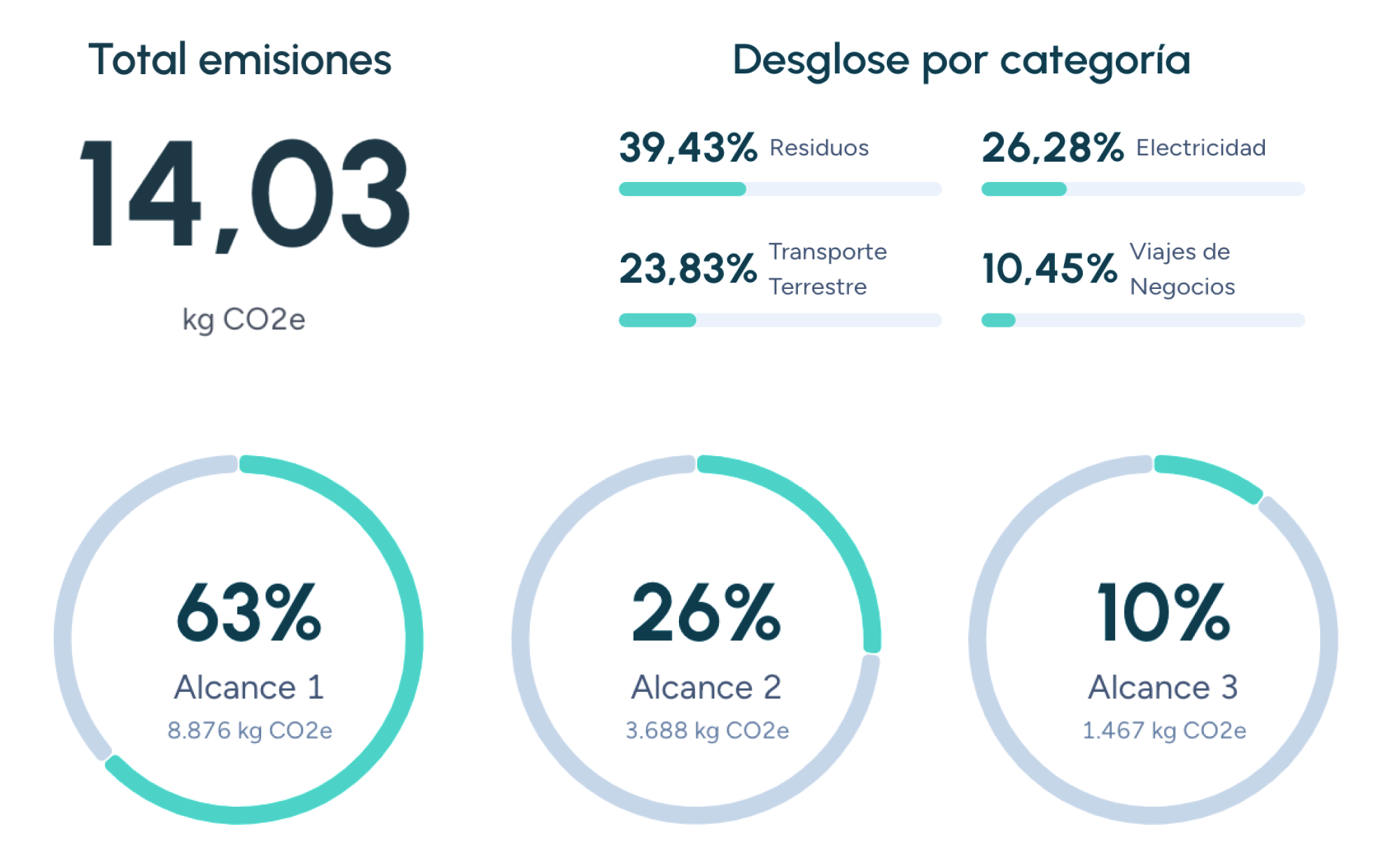
Following the GHG Protocol, the most widely used accounting standard worldwide, emissions are organised into three categories or "scopes":
- Scope 1 emissions: direct emissions from sources owned or controlled by the organization, such as fuel burned in vehicles, boilers or machinery.
- Scope 2 emissions: indirect emissions from the generation of purchased electricity, heat, steam or cooling that the organization consumes.
- Scope 3 emissions: all other indirect emissions across the value chain, including purchased goods and services, transport and distribution, business travel, and the use and end-of-life of sold products.
Why a carbon audit matters
Conducting a carbon audit is valuable for both environmental and business reasons:
- Regulatory compliance: in Spain, the Climate Change and Energy Transition Law (Law 7/2021) and Royal Decree 214/2025 require large companies to calculate their carbon footprint and publish a reduction plan. An audit produces the figures needed to meet these obligations.
- Identifying improvement opportunities: a detailed view of emission sources reveals where energy use can be cut, processes optimised and operating costs lowered.
- Reputation and market access: credible, verified emissions data strengthens brand trust and is increasingly requested by customers, investors and supply-chain partners.
- Subsidies and public tenders: in Spain, many grants and procurement processes reward or require documented climate action, which an audit supports.
How is a carbon audit conducted?
The process varies with the size and complexity of the organization, but generally follows these steps:
- Define the scope and boundaries: decide which parts of the organization are covered, which scopes are included (Scope 1 and 2, and where relevant Scope 3) and the reporting period.
- Collect activity data: gather the information needed to calculate emissions, such as energy and fuel consumption, employee commuting, transport, purchased goods and waste.
- Calculate emissions: convert activity data into tonnes of CO2e using recognised emission factors (for example those published by national inventories and DEFRA) together with global warming potential values from the IPCC.
- Analyse and report: identify the main sources, set reduction priorities and prepare a report that can support compliance, inform stakeholders and shape strategy.
- Implement reduction measures: design and roll out action plans, which may include energy efficiency, switching to renewable energy, optimising logistics or investing in offset projects.
Verification and standards
To be credible, a carbon audit is best aligned with recognised standards. ISO 14064 sets out how to quantify and report an organization's GHG inventory (Part 1) and how that inventory is independently validated and verified (Part 3). Independent carbon footprint verification gives reasonable or limited assurance that the reported figures are reliable, which is often required before registering a footprint or making public claims.
Additional benefits of a carbon audit
- Strategic planning: it provides the baseline data needed to set short, medium and long-term targets, including science-based targets.
- Access to recognition: registering with the Spanish carbon footprint registry managed by MITECO, or pursuing related certifications, typically relies on a robust audit.
- Internal awareness: sharing results with employees and stakeholders helps build a culture of sustainability.
At Manglai we help companies measure their carbon footprint across all three scopes, verify the results and prepare auditable reports that meet international standards and Spanish requirements such as the MITECO registry. Discover how Manglai can help you.
Companies that trust us















Related terms
See all termsCarbon negative
Carbon negative means an organisation, product or process removes more greenhouse gases from the atmosphere than it emits, going beyond carbon neutrality to actively cut atmospheric CO2.
Carbon Footprint
The carbon footprint is the total greenhouse gases, in CO₂e, linked to a person, organisation, product or service. We explain how it is measured, classified into scopes and reduced.
Net-zero emissions
Net-zero emissions is reached when the greenhouse gases released are balanced by an equivalent amount removed. We explain the mechanisms, standards and challenges involved.
Guiding businesses towards net-zero emissions through AI-driven solutions.
Product & Pricing
What is Manglai
Features
SQAS
GLEC
GHG Protocol
ISO-14046
ISO-14064
Miteco certification
CSRD
CSDDD
Digital Product Passport
EINF
Prices
Customers
Partners
Solutions by role
Environmental consulting
ESG management solutions
Financial directors
General directors
HR managers
Operations directors
Quality and environment directors
Senior management
Solutions for investment funds
Supply chain managers
Sustainability managers
Transport responsible
© 2026 Manglai. All rights reserved