NOM-001-SEMARNAT is one of the most important Mexican Official Standards (Normas Oficiales Mexicanas) for protecting water resources, because it regulates the maximum permissible limits of pollutants in wastewater discharged into national water bodies. The current version, NOM-001-SEMARNAT-2021, updated the long-standing 1996 standard with stricter and clearer requirements, applied through a phased timeline.
In a country where water availability varies greatly from one region to another, this standard is vital for safeguarding human health and keeping aquatic ecosystems functional. Complying with it means that industrial and municipal facilities, and any other entity that generates wastewater, must apply adequate treatment before discharging into rivers, lakes, the sea or any other water body. The aim is to ensure that economic activity and urban development do not compromise the balance of ecosystems or the quality of the water that supplies millions of people.
Main features of NOM-001-SEMARNAT
Pollutant limits
The standard sets specific parameters for substances such as heavy metals (lead, mercury, cadmium) and organic compounds that can be toxic to aquatic life and people.
Scope
It covers industrial, tourism, agricultural and municipal facilities that generate wastewater discharges, whether continuous or occasional.
Monitoring and verification
The environmental authority carries out inspections to check the quality of discharges and can impose financial and operational penalties where non-compliance is detected.
Why it matters for health and the environment
Water pollution is a serious threat to human health, helping to spread gastrointestinal and other diseases. Environmentally, toxic substances and excess nutrients in rivers and lakes cause eutrophication, leading to harmful algal blooms and reduced oxygen for aquatic species. In Mexico, NOM-001-SEMARNAT is essential for maintaining the quality of water bodies, especially where population pressure is high and water demand keeps growing. Treating discharges correctly benefits local flora and fauna and the communities that depend on these sources for drinking water, irrigation and other productive activities. It is closely tied to broader goals of water security.
Challenges and opportunities
Implementing the standard can require significant investment in wastewater treatment infrastructure, particularly for municipalities with limited resources. Many federally or internationally funded projects focus precisely on building treatment plants and modernising sewerage networks. For businesses, compliance brings competitive advantages: companies that demonstrate environmental responsibility tend to attract investment and enjoy greater social acceptance, and industry can adopt water reuse and recycling technologies that cut operating costs over time, supporting a circular economy approach to water.
A key standard for water management in Mexico
NOM-001-SEMARNAT helps ensure that productive and urban activities in Mexico maintain a balanced relationship with water resources. Complying with it means not only avoiding penalties and extra costs, but also protecting public health and preserving aquatic ecosystems that are vital for the country's sustainable development.
At Manglai we help organisations measure and manage their environmental and water-related data and prepare their sustainability reporting. Discover how Manglai can help you.
Companies that trust us










Related terms
See all termsSustainability Accounting Standards Board (SASB)
The SASB Standards are industry-specific sustainability disclosure standards, maintained since 2022 by the ISSB within the IFRS Foundation.
ISO 14064
ISO 14064 is the international standard that sets out how to quantify, report and verify greenhouse gas emissions and removals at organisation and project level.
Greenhouse Gas Protocol (GHG Protocol)
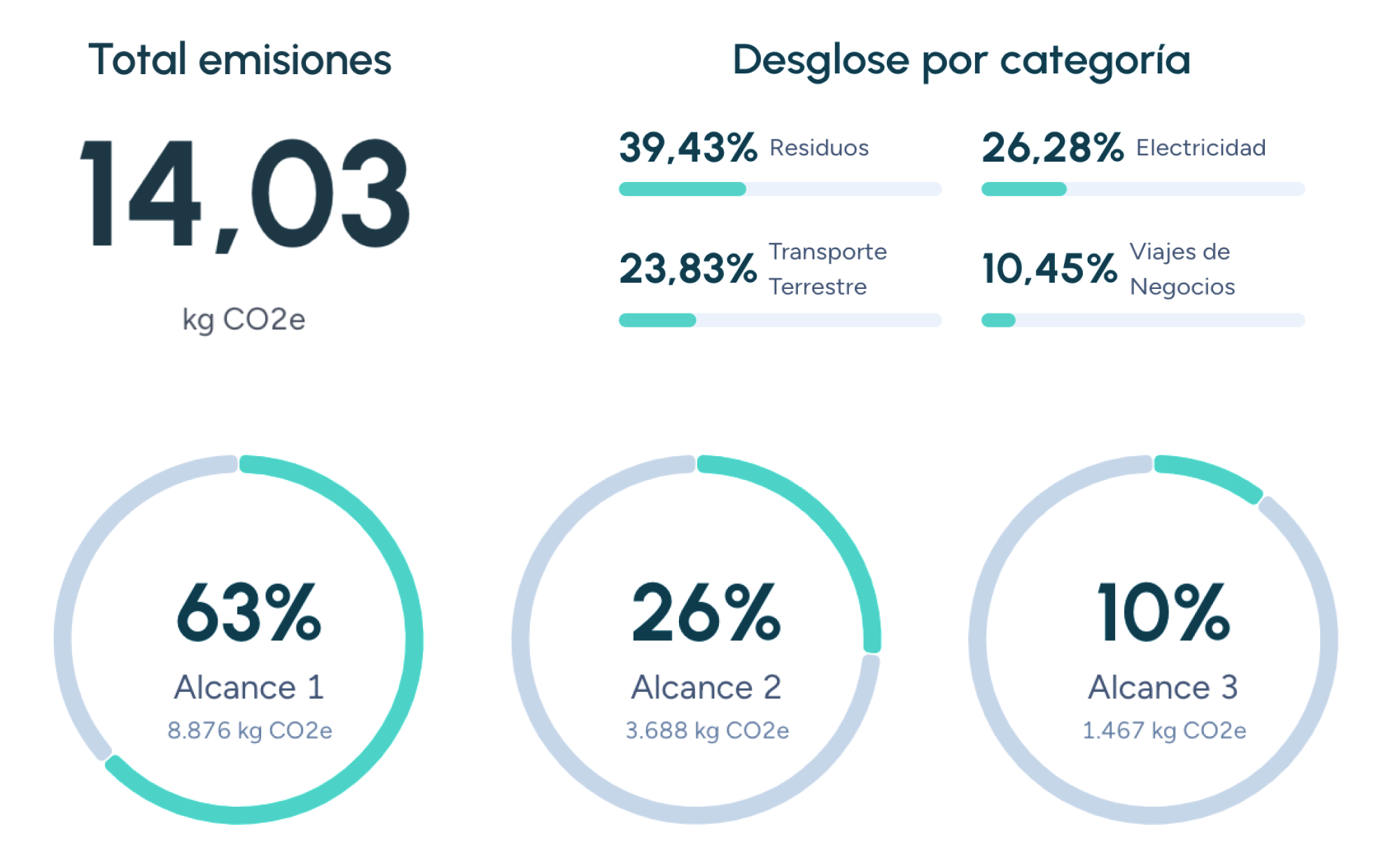
The GHG Protocol is the most widely used framework for corporate greenhouse gas accounting, organising emissions into Scope 1, 2 and 3 across the value chain.
Guiding businesses towards net-zero emissions through AI-driven solutions.
Product & Pricing
What is Manglai
Features
SQAS
GLEC
GHG Protocol
ISO-14046
ISO-14064
Miteco certification
CSRD
CSDDD
Digital Product Passport
EINF
Prices
Customers
Partners
Solutions by role
Environmental consulting
ESG management solutions
Financial directors
General directors
HR managers
Operations directors
Quality and environment directors
Senior management
Solutions for investment funds
Supply chain managers
Sustainability managers
Transport responsible
© 2026 Manglai. All rights reserved