Environmental neutrality is the state in which the negative pressures and impacts of an activity on the environment (climate, water, waste and so on) are reduced as far as possible and then offset or restored until a net-zero, or net-positive, balance is reached in a given territory.
In practice it is usually addressed by domain, for example climate neutrality for greenhouse gases or water neutrality for water, and under recognised measurement and verification standards.
Why it matters
- It gives direction to ESG strategies, moving beyond mere compliance to steer decisions towards net-zero or net-positive outcomes for the environment.
- It aligns the organisation with public goals, such as the EU's target of climate neutrality by 2050.
- It enables rigorous communication: targets, roadmaps and auditable results that stand up to scrutiny from customers, regulators and investors.
What it covers
Environmental neutrality can be broken down into pillars:
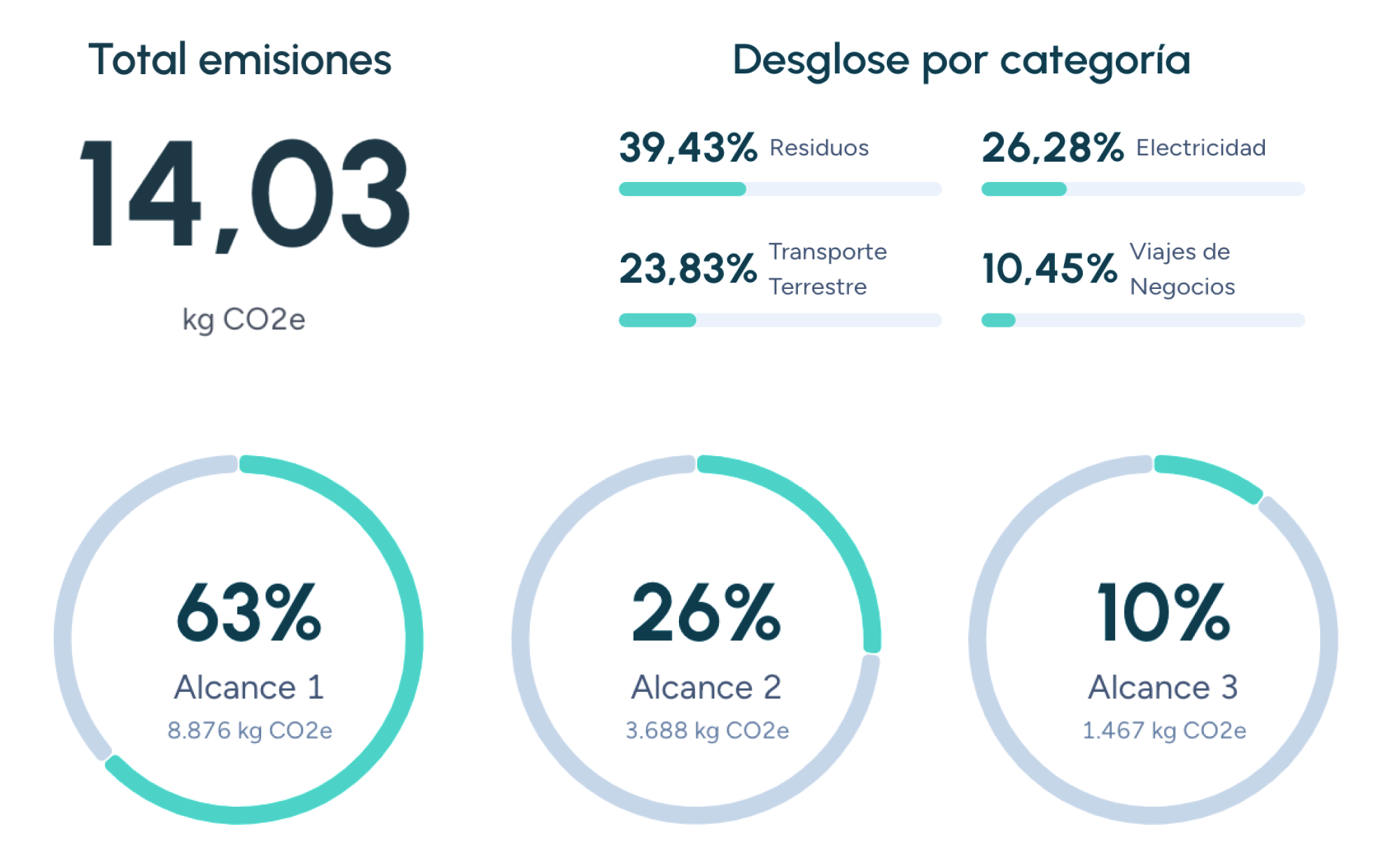
- Climate (greenhouse gases): quantification and reporting using the GHG Protocol (scopes 1, 2 and 3).
- Water: a water balance and objectives for water neutrality or net-positive water (reduction, reuse and replenishment).
- Waste and materials: prevention, reuse and circularity to avoid a net impact.
In practice, many organisations begin with climate neutrality and, once their data systems mature, extend the approach to water and waste.
How it is achieved
- Measure and define the scope (operations and value chain). For climate, use the GHG Protocol (scopes 1, 2 and 3).
- Set targets with a clear priority on reduction (avoid, reduce, substitute) and timeframes consistent with 2050.
- Reduce through efficiency plans, renewable energy, process redesign and circularity for water and waste.
- Offset or restore only the residual emissions and impacts, through high-quality carbon credits or restoration projects, following ISO 14068-1:2023 for carbon neutrality claims (the standard that replaced the now-withdrawn PAS 2060).
- Verify and communicate on the basis of ISO 14064 for greenhouse gases and recognised certification guidance.
Good practice
- Transparency of the boundary (what is included and what is not) and of the assumptions.
- Reduction before offsetting, documenting the reduction pathway, as required by ISO 14068-1.
- Traceable data and external audits (ISO 14064 and accredited verifiers).
Differences from related terms
- Climate neutrality (or carbon neutrality): a net-zero balance of greenhouse gases; it is a subset of environmental neutrality.
- Net zero: a long-term pathway of deep decarbonisation with strict limits on offsetting; it is not a strict synonym for a point-in-time carbon neutrality claim.
- Positive impact (climate-positive or water-positive): going beyond net zero to make a net favourable contribution to the environment.
An illustrative example
An industrial company might define environmental neutrality in phases:
- Climate: a greenhouse gas inventory covering scopes 1 to 3, a renewable power purchase agreement and process electrification, with residual emissions offset and the claim verified against ISO 14068-1.
- Water: reducing consumption, reusing water and supporting local replenishment projects to reach water neutrality or a net-positive position.
- Waste: redesigning for zero waste to landfill and greater circularity.
Communication would include external verification (ISO 14064) and a report setting out the metrics and the boundaries of the system.
Useful references and standards
- EU climate neutrality target for 2050.
- GHG Protocol: corporate greenhouse gas accounting and reporting.
- ISO 14068-1:2023: carbon neutrality.
- ISO 14064: quantification and verification of greenhouse gases.
Environmental neutrality is becoming a structuring goal for ambitious sustainability strategies. At Manglai we help companies measure their carbon footprint and prepare their sustainability reporting. Discover how Manglai can help you.
Companies that trust us















Related terms
See all termsWaste traceability
Waste traceability is the documented tracking of every waste stream from the point it is generated to its final treatment in an authorised facility, a core part of the circular economy.
Waste circularity analysis
Waste circularity analysis evaluates how effectively materials stay in use through reuse, repair and recycling, using indicators like the MCI and methods such as Material Flow Analysis and the ISO 59020 standard.
End of waste status
End of waste status lets recovered materials such as scrap metal, glass or recycled plastic re-enter the market as products once they meet legal criteria, removing administrative burdens and opening new business lines.
Guiding businesses towards net-zero emissions through AI-driven solutions.
Product & Pricing
What is Manglai
Features
SQAS
GLEC
GHG Protocol
ISO-14046
ISO-14064
Miteco certification
CSRD
CSDDD
Digital Product Passport
EINF
Prices
Customers
Partners
Solutions by role
Environmental consulting
ESG management solutions
Financial directors
General directors
HR managers
Operations directors
Quality and environment directors
Senior management
Solutions for investment funds
Supply chain managers
Sustainability managers
Transport responsible
© 2026 Manglai. All rights reserved